Source Modern Apartment Swing Window for Hotels, Villas, and Apartments
Explore 30 listings for the modern apartment swing window, featuring options with aluminum alloy frames and various glass types. Buyers can compare specifications including soundproofing, wind resistance, and hardware from German and Italian brands for residential and commercial projects.
Key considerations
Products List




Comprehensive Sourcing Guide
Strategic Sourcing Guide for Modern Apartment Swing Windows
Understanding the Product Category and Core Attributes
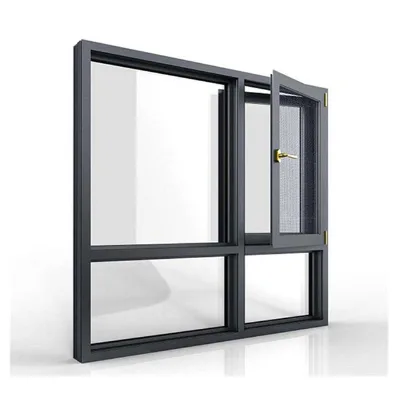
Sourcing a modern apartment swing window requires a precise understanding of the intersection between architectural aesthetics and functional performance. In the current B2B market, the "modern apartment swing window" is not merely a single SKU but a configuration of specific attributes that must align with the building's design language and safety requirements. Based on available market data, the product category is firmly established as a "Window" with a distinct "Modern" style, though "Classic" and "European" variations also exist in the broader supply chain. The defining characteristic of this product is its "Swing" opening pattern, which differentiates it from sliding, folding, or fixed units.
The structural integrity of these windows is primarily driven by the frame material, which is consistently identified as "Aluminum Alloy." Specifically, the alloy grade "6063-T5" appears frequently in product specifications, indicating a material choice that balances strength with formability. This alloy is essential for the slim profiles often desired in modern architecture. The glass component is equally critical, with a wide range of options including "Tempered," "Frosted," "Reflective," "Low-E," "Laminated," and "Tinted" glass. Buyers must verify which of these glass types are available for their specific project, as the selection directly impacts thermal performance and privacy.
The functional capabilities of these swing windows are extensive. The observed attribute list includes "Soundproof," "Airproof," "Dust-proof," "Insect-proof," "Anti-Theft," and "Heat Insulation." Some listings also mention "Fireproof" capabilities, though this should be treated as a specific feature to verify rather than a universal standard. The hardware is a significant cost and quality driver, with top-tier options including "Germany Siegenia," "Germany Hoppe," and "Italian Ota." The choice of hardware not only dictates the smoothness of the swing operation but also the security rating, which is observed to be "A" in high-confidence listings.
Technical Specifications and Performance Standards
When evaluating the technical specifications of modern apartment swing windows, buyers must look beyond marketing descriptions and focus on measurable performance metrics. The opening pattern is a primary specification, with the "Swing" style being the core requirement for this guide. However, the market also presents "Horizontal" and "Vertical" opening patterns, which may refer to the orientation of the sash or the specific mechanism used. It is crucial to confirm that the "Swing" mechanism aligns with the intended "Horizontal" or "Vertical" operation for the specific apartment layout.
Wind resistance is a critical safety parameter, particularly for high-rise apartment buildings. One observed specification indicates a wind resistance performance range of "3.0≤P3<3.5." This numerical value represents a specific pressure load capacity that the window frame and glazing system must withstand. Buyers should not assume all swing windows meet this threshold; instead, they must request specific test reports or certification documents that verify the P3 rating for the proposed configuration. The standard for the product is often listed as "Customized," meaning that the window is engineered to meet client specifications rather than adhering to a rigid, off-the-shelf standard. This flexibility allows for "Customer Made" or "Client Specification" sizing, which is essential for modern apartment designs that often feature non-standard window openings.
The surface finishing process is another technical aspect to consider. The observed data notes a "Finished" surface treatment, which implies that the aluminum alloy frames undergo anodizing, powder coating, or other protective treatments to ensure durability and aesthetic consistency. The color options typically include "Black," "White," and "Grey," with some listings offering "Grey/White/Black" combinations. These finishes must be compatible with the building's exterior and interior design schemes. Additionally, the inclusion of accessories such as "Lock," "Handles," and "Hinge" is standard, but the quality of these components varies significantly between suppliers.
Compliance, Certification, and Safety Verification
In the B2B procurement of building components, compliance with international and local standards is non-negotiable. The primary certification observed in the product data is "ISO9001," which indicates that the supplier has a certified quality management system. While this is a strong indicator of process reliability, it does not guarantee that every individual window unit meets specific performance standards. Buyers must verify if the supplier holds additional certifications relevant to the target market, such as energy efficiency ratings or fire safety certifications, especially given the "Fireproof" attribute mentioned in some listings.
The origin of the product is another compliance factor. The data indicates that products originate from "China" (Cn), with specific locations mentioned as "Huainan, China." Understanding the geographic origin helps in assessing logistics costs and potential tariffs. However, the most critical compliance check involves the glass and frame standards. Since the glass types vary from "Tempered" to "Low-E," buyers must ensure that the glass meets the safety standards of the destination country. For instance, tempered glass is often required for safety glazing in residential applications to prevent shattering into dangerous shards.
Furthermore, the "Security Rating: A" observed in the data suggests a baseline level of security, but this rating system may vary by region. Buyers should request detailed security test reports that demonstrate the window's resistance to forced entry, particularly given the "Anti-Theft" function. The hardware components, such as the German or Italian brands listed, often come with their own certifications. Verifying that the "Siegenia" or "Hoppe" hardware is genuine and installed correctly is a vital step in ensuring the security rating holds true in practice.
Cost Drivers and Pricing Dynamics
The pricing of modern apartment swing windows is influenced by a complex interplay of factors, including material costs, customization levels, and hardware selection. The observed listed price range in the market is between 20 and 400 USD, though this wide range likely reflects differences in size, glass type, and hardware quality. A basic swing window with standard aluminum profiles and single glazing will fall at the lower end, while a unit with Low-E glass, laminated safety glass, and premium German hardware will command a price closer to the upper limit.
The "Customization" attribute is a primary cost driver. Since the standard is listed as "Customized" and sizes are "Customer Made," the manufacturing process involves more labor and material waste compared to mass-produced standard sizes. Buyers should anticipate that non-standard dimensions will increase the unit cost. Additionally, the choice of glass significantly impacts the price. "Low-E" and "Laminated" glass are more expensive than standard "Tinted" or "Frosted" glass due to the specialized coating and lamination processes involved.
Hardware selection is another major variable. The inclusion of "Germany Siegenia," "Germany Hoppe," or "Italian Ota" hardware adds a premium to the cost. These brands are known for their durability and smooth operation, but they are also more expensive than generic hardware. The "MOQ" (Minimum Order Quantity) range of 1 to 20 units suggests that suppliers are flexible, but larger orders may yield better per-unit pricing. Buyers should also consider the "prod_packing" costs, which vary from "Plastic Film Inside, All Goods Into Wood Package" to "Carton" or "Crate+Carton." Robust packaging is essential for preventing damage during transit, especially for large glass panels, and may add to the overall landed cost.
Typical Applications and Design Integration
Modern apartment swing windows are designed to serve a diverse range of applications, including "Hotel," "Apartment," "Residential," "Commercial," and "Villa" settings. The "Modern" style is particularly suited for contemporary apartment complexes that prioritize clean lines and minimalistic aesthetics. The "Swing" opening pattern is versatile, allowing for maximum ventilation when fully opened, which is a key requirement for residential comfort. However, the placement of the window—whether "Exterior" or "Interior"—must be carefully planned to ensure the swing mechanism does not interfere with interior furniture or exterior walkways.
The functional attributes of these windows make them ideal for urban environments where noise and pollution are concerns. The "Soundproof," "Airproof," and "Dust-proof" capabilities are essential for apartments located near busy streets or in industrial zones. The "Insect-proof" feature is particularly valuable in warmer climates, allowing residents to keep windows open without the intrusion of pests. The "Heat Insulation" property helps regulate indoor temperatures, reducing the load on HVAC systems and contributing to energy efficiency.
Design integration is also a key consideration. The available color options of "Black," "White," and "Grey" allow for seamless integration with various building facades. The "Aluminum Alloy" frame material offers the strength needed for large glass panes, which are a hallmark of modern design. Buyers should ensure that the window profile matches the architectural style of the building, whether it is a sleek, glass-heavy high-rise or a more traditional residential complex. The "Decoration" function mentioned in the attributes suggests that these windows can also serve an aesthetic purpose, enhancing the visual appeal of the apartment unit.
Supplier Evaluation and Quality Control Protocols
Evaluating suppliers for modern apartment swing windows requires a rigorous approach to quality control and due diligence. The presence of "ISO9001" certification is a good starting point, but buyers must go further by assessing the supplier's production capabilities and quality assurance processes. The "Surface Finishing: Finished" attribute indicates that the frames are treated, but the quality of this treatment can vary. Buyers should request samples to inspect the finish for consistency, color accuracy, and resistance to corrosion.
The "prod_packing" specifications provide insight into the supplier's attention to detail. Options like "Plastic Film Inside, All Goods Into Wood Package" or "Crate+Carton" suggest a commitment to protecting the product during shipping. However, buyers should verify that the packaging is sufficient to prevent damage to the glass and hardware during transit. The "Standard: Customized" nature of the product means that the supplier must have a robust system for managing custom orders and ensuring that the final product matches the client's specifications.
Quality control should also extend to the hardware and glass components. Buyers should verify that the "Lock," "Handles," and "Hinge" are of high quality and that the glass meets the required safety standards. The "Security Rating: A" should be backed by test reports, and the "Wind Resistance Performance" should be verified through independent testing. Additionally, the "Customization" process should be transparent, with clear communication regarding lead times and the ability to accommodate design changes.
Long-Term Procurement and Maintenance Considerations
Long-term procurement success depends on selecting products that offer durability and ease of maintenance. The "Aluminum Alloy" frame material is known for its longevity and resistance to corrosion, making it a suitable choice for long-term use. However, the quality of the surface finish will determine how well the frame resists environmental degradation over time. Buyers should inquire about the warranty period for the frame and glass, as well as the availability of replacement parts.
The "Hardware" components are often the first to show wear and tear. Selecting high-quality brands like "Siegenia" or "Hoppe" can reduce the frequency of maintenance and repair. Buyers should also consider the ease of cleaning and the accessibility of the window mechanisms. The "Swing" opening pattern allows for easy cleaning of both sides of the glass, which is a significant advantage for high-rise apartments where external cleaning can be difficult.
Finally, buyers should plan for the lifecycle of the product. The "Customized" nature of the windows means that future replacements or upgrades may require specific ordering processes. Maintaining a relationship with a reliable supplier who can provide consistent quality and support is essential for long-term success. The "Application Place" of "Exterior/Interior" suggests that the windows are designed for both environments, but buyers should verify the specific performance ratings for each to ensure they meet the project's long-term needs. By focusing on these factors, buyers can ensure that their investment in modern apartment swing windows delivers value and performance for years to come.
FAQs
What frame material is used for modern apartment swing windows?
The frame material is consistently Aluminum Alloy, specifically grade 6063-T5. This alloy provides the necessary strength for slim profiles while allowing for customization in size and color options like black, white, or grey.
Which hardware brands are available for these swing windows?
Top-tier hardware options include Germany Siegenia, Germany Hoppe, and Italian Ota. These brands ensure smooth operation and contribute to the observed security rating of A, though generic hardware may also be available.
Can the window glass be customized for specific needs?
Yes, glass options include Tempered, Frosted, Reflective, Low-E, Laminated, and Tinted varieties. Buyers must verify specific glass types for their project as selections directly impact thermal performance, privacy, and safety requirements.
How is the wind resistance performance rated for these units?
One observed specification indicates a wind resistance performance range of 3.0 to less than 3.5. Buyers should request specific test reports to verify this P3 rating, especially for high-rise apartment applications where safety is critical.
What certification does the supplier typically hold?
The primary certification observed is ISO9001, indicating a certified quality management system. While this ensures process reliability, buyers should verify additional certifications for energy efficiency or fire safety depending on the target market regulations.
What are the standard packaging methods for shipping?
Packaging varies from Plastic Film Inside with Wood Package to Carton or Crate plus Carton. Robust packaging is essential to prevent damage to glass panels and hardware during transit, and costs may vary by method.
Can the window size be customized for specific openings?
Yes, the product standard is listed as Customized with sizes available as Customer Made or Client Specification. This flexibility allows for non-standard dimensions, though it may increase unit costs compared to standard sizes.